


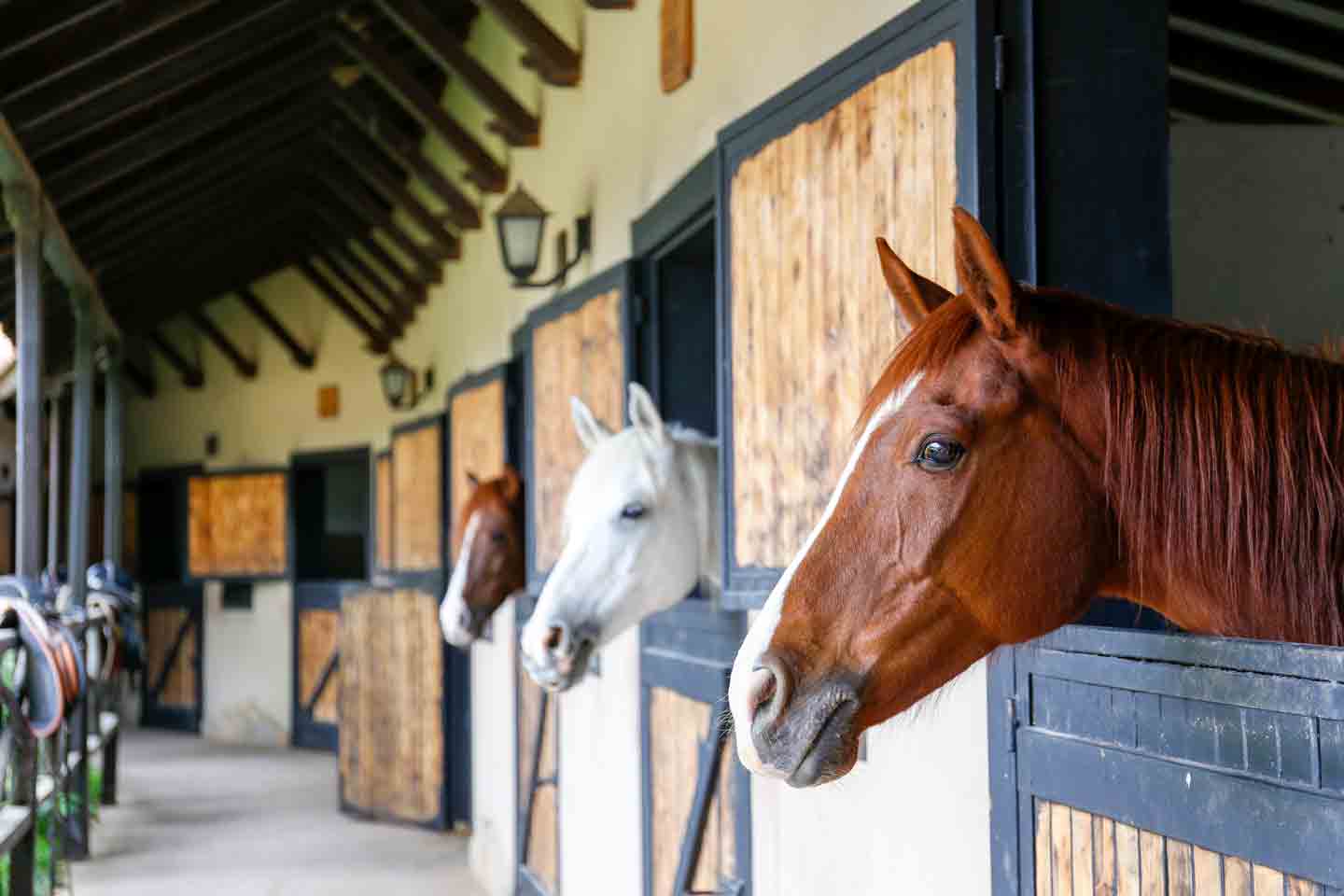
Choosing a place to board your horse is one of the most important decisions a horse owner can make. A quality boarding facility not only provides shelter and feed but also supports your horse’s physical health, emotional wellbeing, and long-term performance. Whether you’re a recreational rider or a competitive equestrian, the right environment can make a significant difference in your horse’s comfort and happiness.
With many boarding options available — from full-service stables to pasture-only arrangements — it’s essential to evaluate each facility carefully before committing.
Safety and Cleanliness Should Come First
The foundation of any good boarding facility is safety. Fencing should be sturdy, well-maintained, and appropriate for horses, with no sharp edges or broken sections. Gates must close securely, and walkways should be free of hazards.
Cleanliness is equally important. Stalls should be mucked regularly, bedding kept dry, and water sources cleaned daily. Poor hygiene can lead to respiratory issues, hoof problems, or infections. A tidy facility usually reflects attentive management and responsible care practices.
Quality of Feed and Water
Nutrition plays a vital role in maintaining your horse’s health. Ask what type of hay and grain is provided, how often feeding occurs, and whether individual dietary needs can be accommodated. Fresh, clean water must always be available, whether through automatic waterers or regularly filled troughs.
A reliable boarding facility will monitor horses’ body condition and alert owners to changes in appetite or weight, helping prevent health issues before they escalate.
Turnout and Exercise Opportunities
Horses are naturally active animals that benefit from regular turnout. Adequate pasture space allows them to graze, move freely, and socialise with other horses, which supports both physical fitness and mental wellbeing.
Look for:
- Safe pasture fencing
- Sufficient space per horse
- Shelter from weather
- Compatible herd groupings
Limited turnout or overcrowded paddocks can lead to stress, injuries, or behavioural issues.
Staff Experience and Communication
Knowledgeable staff are essential for quality horse care. Experienced handlers can recognise early signs of illness, lameness, or discomfort. They should also handle horses calmly and confidently.
Equally important is communication. A trustworthy facility keeps owners informed about any concerns, schedule changes, or emergencies. Open dialogue builds confidence and ensures your horse receives consistent care even when you’re not present.
Facilities and Amenities
Depending on your riding goals, certain amenities may be important. Many owners look for features such as:
- Riding arenas (indoor or outdoor)
- Safe storage for tack
- Wash bays or grooming areas
- Trailer access
- On-site trainers or lessons
While luxury amenities aren’t essential, they can enhance convenience and overall satisfaction.
Using Tools to Compare Boarding Options
Finding the right stable can feel overwhelming, especially in unfamiliar areas. Online resources like the Horse Boarding Finder can help owners explore facilities, compare services, and identify locations that match their specific needs. These tools streamline the search process and provide valuable information before scheduling in-person visits.
Conclusion
A horse boarding facility should offer more than basic accommodation — it should provide a safe, supportive environment where your horse can thrive. By prioritising safety, nutrition, turnout, experienced staff, and suitable amenities, you can make a confident decision that benefits both you and your horse.
Taking the time to evaluate options carefully ensures peace of mind, knowing your horse is well cared for even when you cannot be there yourself. A thoughtful choice today leads to a healthier, happier partnership for years to come.