


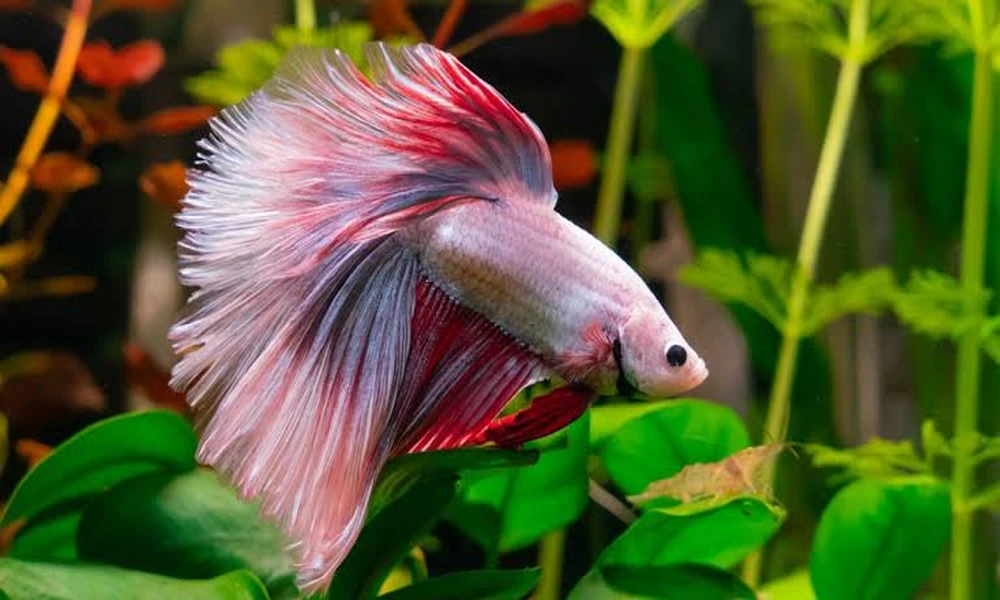
With so much colour and fin variation on offer, choosing siamese fighting fish can feel overwhelming for first-time buyers. This guide breaks down what actually matters when making a decision.
What Makes a Healthy Specimen
Bright eyes, fully extended fins, even colouration, and alert, responsive swimming are the clearest signs of good health, regardless of colour or fin type. A fish that appears dull or hovers near the surface without engaging with its surroundings is best avoided.
Fin Type Considerations
Veiltail and halfmoon varieties, with their longer flowing fins, are more prone to damage and generally suit calmer, more heavily planted tanks, while plakat types, with shorter fins, are hardier and better suited to more active setups.
Where Reputable Sellers Source Their Stock
Retailers who specialise in siamese fighting fish for sale typically maintain dedicated quarantine systems and water chemistry tailored specifically to the species, which produces noticeably more consistent stock than general pet outlets.
Budgeting for the Full Setup
Beyond the fish, a tank of at least 20 litres, heater, gentle filter, secure lid, and basic water testing kit make up the essential costs. These represent a modest investment relative to the ongoing enjoyment and reduce the likelihood of avoidable health problems.
Mistakes to Avoid
Buying before the tank has cycled, keeping the fish unheated, and housing two males together account for most of the early health issues reported by new keepers, and all three are easily avoided with basic preparation.
Questions to Ask Before Buying
How long has the fish been in stock, what parameters is it currently kept in, and has it been eating well are all reasonable questions a good seller should answer without hesitation.
Final Thoughts
Taking a little extra time at the point of purchase, rather than buying on impulse, consistently leads to healthier, longer-lived fish and a more satisfying introduction to the hobby.
Understanding Price Ranges
Prices for a siamese fighting fish vary considerably depending on colour rarity, fin type, and the reputation of the breeder or seller behind a given specimen. Common colour and fin combinations are widely available at modest prices, while rarer patterns or competition-quality bloodlines can command significantly more. Paying a premium isn’t inherently better value unless it reflects genuinely superior husbandry and health, so it’s worth judging a fish on its condition rather than assuming a higher price automatically means a better animal.
Long-Term Costs Beyond Purchase
The purchase price is only the starting point. Ongoing costs include food, occasional water conditioner, replacement filter media, and electricity for the heater and any lighting, none of which are individually expensive but which add up modestly over a typical lifespan. Factoring in these ongoing costs before buying, rather than treating the fish as a one-off purchase, gives a more realistic picture of what responsible ownership actually involves.
When to Walk Away
Not every visit needs to end in a purchase. If the water in a display tank looks cloudy, if several fish across a seller’s stock appear lethargic or damaged, or if staff can’t answer basic questions about husbandry, it’s entirely reasonable to leave and look elsewhere. A short delay in finding the right fish is a far better outcome than bringing home one that was already compromised before you ever saw it.
Seasonal Availability and Demand
Availability of specific colours and fin types for a siamese fighting fish can fluctuate through the year, with certain patterns becoming harder to find during periods of high demand. Patience is often rewarded here, since a seller who doesn’t currently have exactly what you want may well receive new stock within a few weeks, and rushing into a less suitable purchase rarely pays off in the long run.
After the Sale: What to Expect
The first 48 hours after bringing a new fish home are typically the most delicate, as it adjusts to a new tank, water chemistry, and routine. A period of reduced activity or appetite during this window is common and not usually a cause for alarm, provided the fish shows steady improvement over the following few days rather than continued decline.
Comparing Online Marketplaces to Specialist Retailers
General online marketplaces sometimes list a siamese fighting fish at attractively low prices, but they rarely offer the same level of quarantine practice or post-sale support as a specialist retailer. The lower upfront cost can end up more expensive in practice if it results in a less healthy fish requiring veterinary attention or an early replacement, so it’s worth weighing the full picture rather than price alone.
Building a Relationship With a Trusted Seller
Keepers who return to the same reputable seller repeatedly often find the experience improves over time, as staff become familiar with their setup and can make more tailored recommendations. This is one of the underappreciated benefits of choosing a specialist over a one-off purchase from wherever happens to be cheapest on a given day.
Handling and Transport Home
Time spent in a bag matters more for a siamese fighting fish than for many hardier aquarium species, since a small volume of water shifts temperature and oxygen levels quickly. A short, direct journey followed by a gradual acclimatisation period of around fifteen to thirty minutes, floating the sealed bag before slowly mixing in tank water, gives the best possible start rather than releasing the fish immediately into unfamiliar conditions.
Assessing Temperament Alongside Health
Beyond physical condition, it’s worth paying some attention to temperament when choosing between similarly healthy specimens. A fish that investigates its surroundings and responds to movement outside the glass tends to make for a more engaging pet than one that remains still even when otherwise displaying good physical health, though both can settle well with time.
Weighing Overall Value
The purchase price of the fish itself is typically the smallest cost across a full two to three year lifespan once equipment is accounted for. Framed this way, it rarely makes sense to save a few pounds on the fish while cutting corners on tank size or heating, since the ongoing costs of proper equipment are the same regardless of which specimen ends up living in it.
A Final Word Before You Buy
None of the considerations above are complicated individually, but taken together they separate a purchase that goes smoothly from one that leads to early problems with a siamese fighting fish. A short amount of research and a little patience at the point of sale go a long way toward a healthier, longer-lived fish and a considerably less stressful start for both the animal and its new owner.
One final practical point: don’t hesitate to ask a seller directly whether a specific siamese fighting fish has been kept alongside other fish and how it has behaved, since this can reveal useful information about temperament that isn’t always obvious from a few minutes of observation through the glass. A seller who has actually watched the fish’s behaviour over time is often a better source of this information than a first impression alone.
With the right preparation and a considered approach to selecting stock, this remains one of the most accessible and rewarding species for UK freshwater keepers.