
Cat owners often reach a point where they must decide between wet and dry food, and the choice is not always straightforward. Wet food usually wins for hydration, protein, and weight control, while dry food wins for cost and convenience. For most cats, the best wet cat food paired with a small amount of dry kibble gives you the best of both. This article breaks down the real differences so you can pick what’s right for your cat and your budget.
The Basic Difference Between Dry Cat Food & Wet Cat Food
Dry food, also called kibble, is crunchy and has less water content in it. Wet food comes in cans or pouches and is soft, moist, and usually smells a lot stronger (your cat probably loves that part).
Here’s a quick look at how they compare:
| Feature | Dry Food | Wet Food |
| Water content | Low, around 10% | High, around 75-80% |
| Shelf life | Long, stays fresh in the bag. | Short once opened. |
| Cost | Usually cheaper per meal. | Usually pricier per meal. |
| Smell and taste | Milder. | Strong, more appealing to cats. |
| Dental benefit | Some crunch helps teeth a little. | Little to no dental benefit. |
| Good for hydration | Not really. | Yes, helps a lot. |
Why Water Matters So Much For Cats?
Cats aren’t big water drinkers. In the wild, they got most of their water from prey, not from a bowl. That habit stuck around, even for house cats. This is exactly why the best wet cat food options are often considered by vets, since the extra moisture helps keep your cat hydrated without you having to nag them to drink more water.
Low water intake can lead to problems down the road, like urinary tract issues or kidney trouble. Wet food helps lower that risk simply because it’s already full of moisture.
Where Dry Food Wins For Cats?
Dry food has its own perks:
- It’s easier to store and doesn’t spoil fast.
- You can leave it out all day without worry.
- It’s usually more affordable cat food than wet options, which matters if you have more than one cat at home.
- The crunch can help scrape off a little plaque while your cat chews.
For a lot of households, dry food is simply the practical choice because it’s less messy and easier on the wallet.
Where Wet Food Wins For Cats?
Wet food has its own strong points too:
- More moisture, which supports kidney and urinary health.
- Usually higher in protein and lower in carbs.
- Softer texture, great for kittens, seniors, or cats with bad teeth.
- Strong smell and taste, which fussy eaters tend to love.
If your cat is picky, choosing the best wet cat food might be the easiest way to get them excited about mealtime again.
Can You Mix Both Wet & Dry Cat Food?
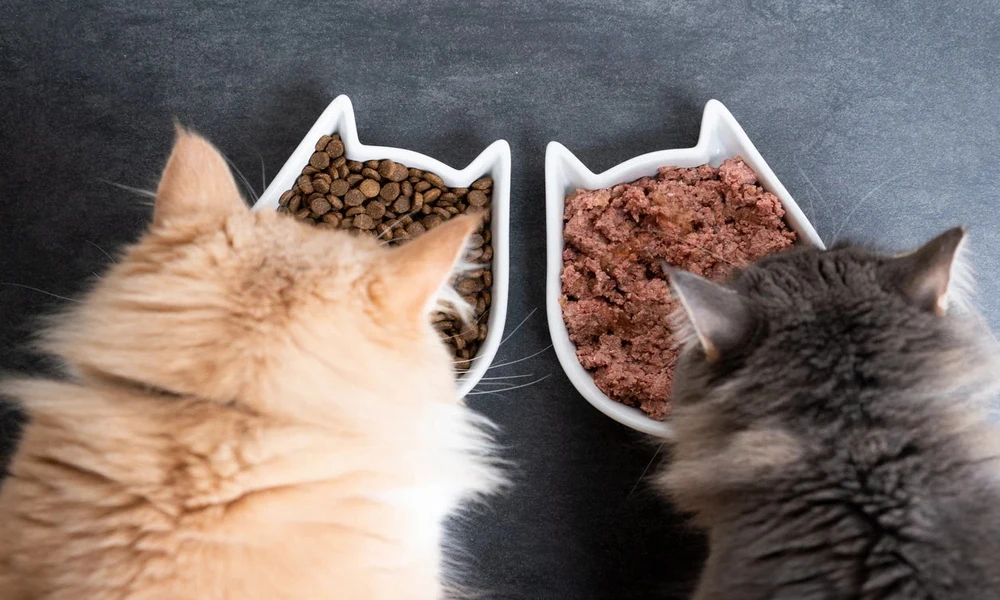
Yes, and a lot of vets actually recommend this. Mixing wet and dry food gives you the best of both sides. Your cat gets extra hydration from the wet food, plus the convenience and lower cost of dry food.
A common approach is wet food once or twice a day, with dry food left out for grazing in between. This way, you’re not stuck spending on the wet cat food for every single meal, but your cat still gets the hydration boost.
What Should You Actually Pick?
Honestly, there’s no one-size-fits-all answer here. It comes down to your cat, your wallet, and a bit of trial and error. A few things to keep in mind:
- Cat barely touches the water bowl? Lean toward wet food because it sneaks in extra hydration without you having to fight about it.
- Tight budget or feeding more than one cat? Dry food, or a mix, is the more affordable cat food route and won’t break the bank.
- Older cat, or one with a few teeth missing? Wet food is just easier for them to eat.
- More than one cat in the house? A mix usually works best, since it balances cost with health perks.
Whatever you pick, flip the bag or can over and check that real meat is the first thing listed. That part matters more than the price tag.
Final Thoughts
Wet food and dry food both do their job well, and plenty of cats end up doing just fine on a mix of the two. If your cat needs more water in their diet, or has some health stuff going on, the best wet cat food is usually worth spending a little extra on. If money’s tight or you’ve got a house full of cats, dry food picks up the slack just fine. When in doubt, ask your vet because they know your cat’s history better than any pet food label ever could.
FAQs
Q. Is It Better To Feed Your Cat Wet Or Dry Food?
Honestly, both can work. But if you’re picking just one, wet food usually edges ahead because of the water content. Cats aren’t great about drinking on their own, so that extra moisture in every bite helps more than pet parents realize.
Q. Do Vets Recommend Wet Or Dry Food?
Most vets won’t tell you to pick one and stick with it forever. A lot of them suggest mixing the two, though if a cat has kidney or urinary trouble, they’ll usually push harder for wet food specifically.
Q. Is It Okay To Give Cats Wet Food Every Day?
Yes, completely fine, as long as it’s labeled complete and balanced. Plenty of cats eat wet food every single day of their lives with zero issues.
Q. What Are The Downsides Of Giving Wet Food To Cats?
It goes bad fast once you open the can, so you can’t just leave it out all day like kibble. It’s also pricier, for one. And it doesn’t do much for their teeth compared to the crunch of dry food.
Q. Do Cats Live Longer On Wet Food?
There’s no research saying wet food alone adds years to your cat’s life. That said, better hydration tends to mean fewer urinary and kidney problems down the line, which can absolutely help your cat live a longer, more comfortable life.