

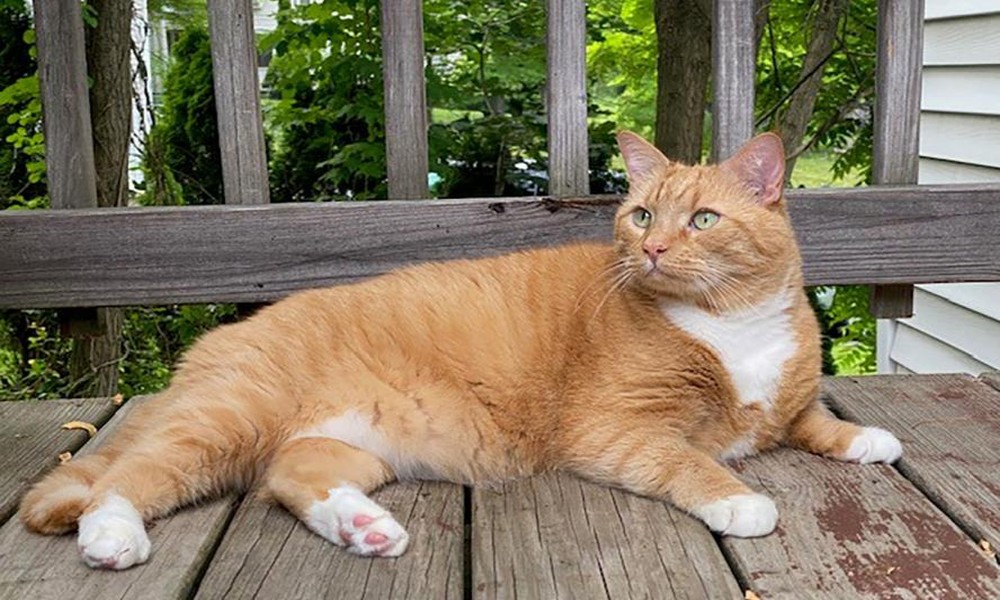
Pet care becomes easier when owners learn proper feeding habits during every growth phase. Understanding obesity risks affecting cats throughout different life stages today helps families protect animal comfort with better daily routines. Extra body fat may slowly reduce movement ability while lowering playful behavior at home. Good meal control with active games supports balance during kitten years through senior age. Numerous veterinarians warn that health risks for overweight catsinclude heart disease, low energy, arthritis, and reduced quality of life.
Healthy Feeding Habits
Proper meal timing supports steady body condition during growth periods. Balanced nutrition aids maintain strength while evading unnecessary fat storage. Owners should provide measured portions instead of unlimited food access throughout the day.
Active Indoor Movement
Indoor pets need regular activity for better fitness support. Interactive toys with climbing spaces encourage movement around living areas. Daily play sessions improve flexibility while supporting healthier energy use inside the body.
Balanced Adult Routine
Adult pets commonly gain size because movement levels decrease after maturity. Controlled snacks with active exercise plans help maintain a stable condition. Regular observation helps owners identify physical changes before problems become severe.
Senior Mobility Support
Older companions often experience slower movement because joints become weaker over time. Comfortable bedding with gentle exercise routines supports better flexibility. Simple home adjustments may reduce physical strain during the aging years.
Daily Portion Control
Measured meals progress digestion while reducing needless calorie intake. Owners should follow feeding instructions based on size and age. Smaller controlled servings support a stable body condition across different stages.
Better Water Intake
Fresh water supports digestion with healthy organ function throughout daily activities. Proper hydration may aid in lessening overeating during meal times. Clean bowls placed around living spaces cheer regular drinking habits.
Regular Veterinary Visits
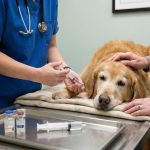
Routine health checks help identify hidden problems before visible symptoms appear. Veterinary guidance supports better feeding plans with exercise advice. Professional monitoring allows faster action during unexpected body changes.
Comfortable Living Spaces
Organized indoor environments encourage pets to move freely around household areas. Climbing shelves with scratching posts supports playful behavior throughout the day. Comfortable surroundings improve emotional wellness with physical activity.
Smarter Exercise Plans
Short activity sessions provide safe movement without creating exhaustion. Owners may rotate toys regularly for improved interest during playtime. Regular exercise supports better flexibility with stronger muscle condition.
Controlled Food Choices
Quality nutrition supports healthier digestion with balanced energy levels. Foods containing proper protein amounts may help maintain a stable body shape. Owners should avoid frequent table scraps during feeding periods.
Monitoring Physical Changes
Regular observation helps identify body condition changes before larger concerns develop. Owners may notice slower movement with increased sleeping habits. Early action often improves future wellness with daily comfort.
Proper care habits support stronger movement with better comfort across every age group. Early observation with steady exercise plans may reduce future illness while improving happiness in household pets.
Owners who remain attentive toward changing body condition often protect long-term wellness more effectively. Veterinary support with healthy meal planning creates safer living conditions for companions during every phase of life. Continued awareness regarding health risks for overweight cats helps maintain better strength with improved daily comfort.
FAQs
Why do indoor pets gain size easily?
Indoor animals move less during daily routines, which may increase fat storage without proper exercise or portion control.
How often should meals remain controlled?
Measured feeding twice daily supports healthy digestion while helping maintain a suitable body condition during different growth stages safely.
When should owners visit veterinarians?
Routine health visits every few months help detect physical changes early while supporting safer nutrition with exercise planning.